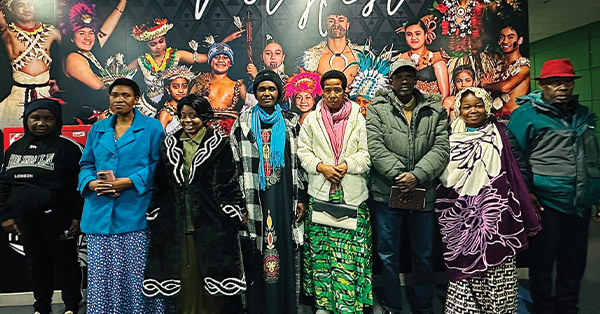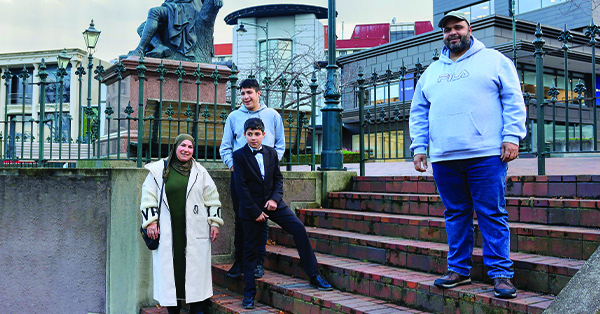
Recently learners visited Te Wairoa to learn about local history and practise English outside the classroom.
The trip took place on the final day of the holiday programme and was led by teacher Christine Street. The visit formed part of the class’s bicultural learning focus, which explores local history and culture twice a week.
“Rotorua is a bicultural city with a strong Māori presence,” says Christine. “Our learners are living and working here, and some are employed in the tourism industry. It’s important that they understand the events and stories of the place they now call home.”
In the weeks leading up to the trip, learners had been discovering stories from the Rotorua region, including the legend of Hinemoa and Tūtānekai and the dramatic events of the 1886 Mount Tarawera eruption, which destroyed the village of Te Wairoa. They explored both Māori and European accounts of the eruption. This included stories of a mysterious war waka seen on Lake Tarawera the day before the eruption, which some believed to be a warning sign.
These discussions supported language learning, helping learners build new vocabulary such as “phantom”, “premonition”, and “eruption”, and giving them opportunities to use these words in context.
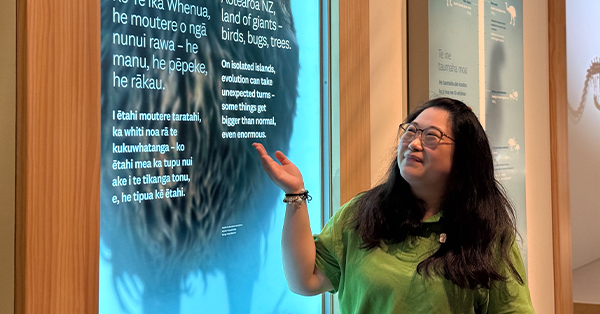
At Te Wairoa, the learning came to life. Learners explored the remains of the buried village, visited the museum, and read first-hand accounts from survivors of the eruption. Seeing these stories in the place where they actually happened made a strong impression.
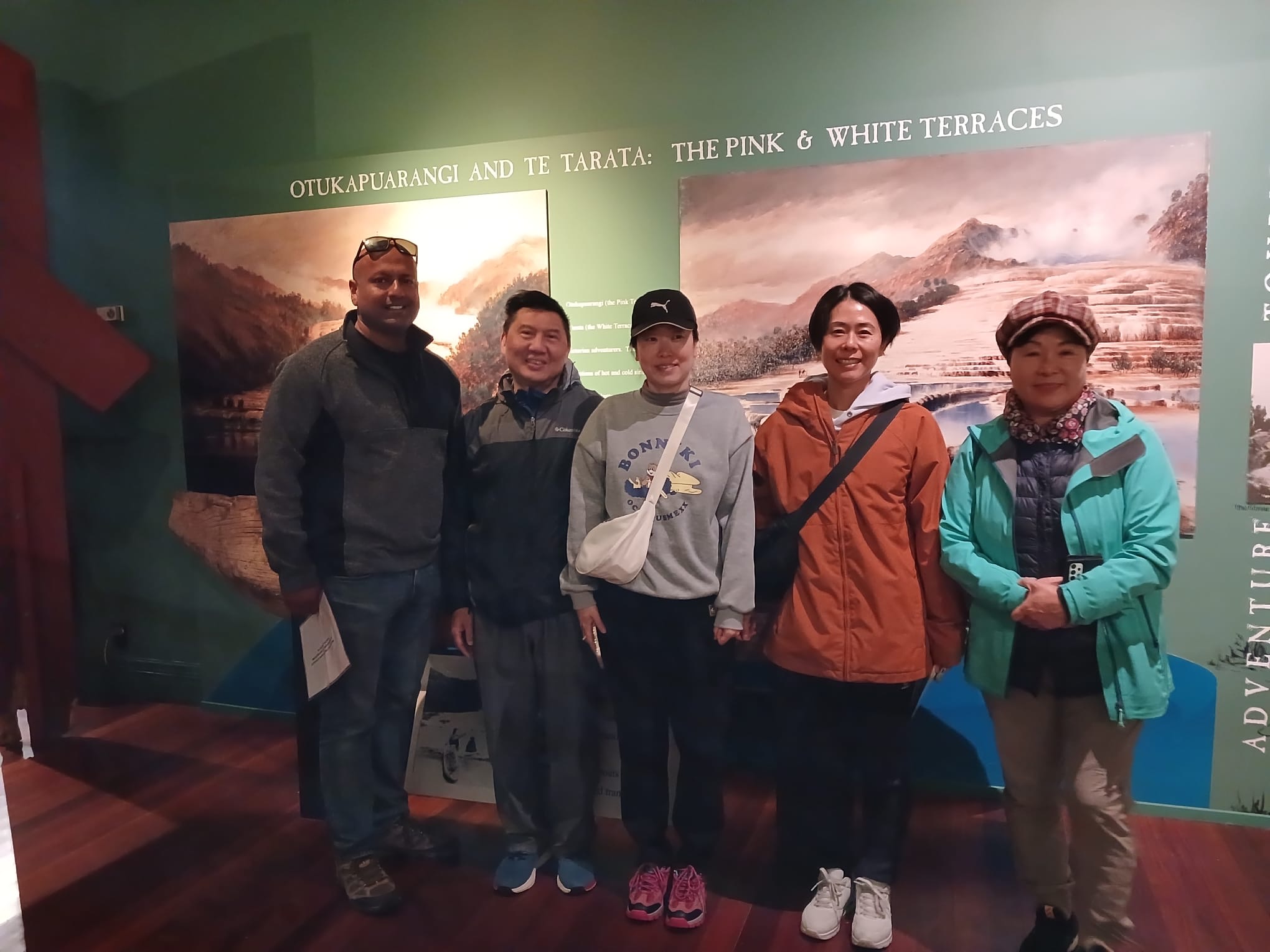
One learner took a strong interest in the museum displays. She photographed information panels and used AI translation tools to better understand the content - a great example of using digital tools to support independent learning.
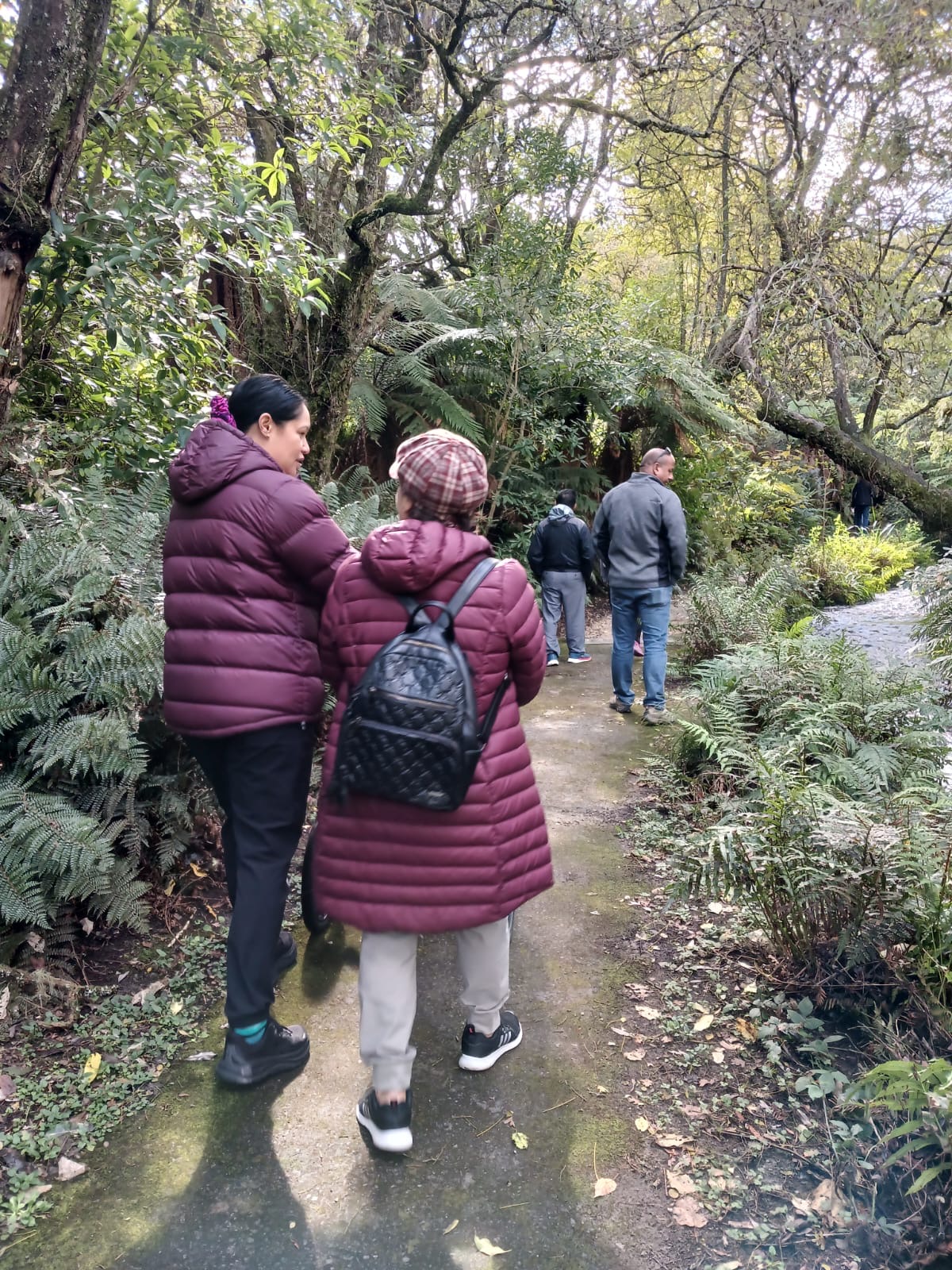
The group also enjoyed a walk along a nearby stream filled with trout, finishing at Wairere Falls. The outdoor setting added another layer to the experience, giving learners time to talk, observe, and connect with the local environment.
This was ELP Rotorua’s first visit to Te Wairoa, and it was a great success. Learners were engaged throughout the day, asked thoughtful questions, and made strong connections between their classroom learning and what they experienced on site.
Several learners were so interested that they bought annual passes, so they can return with their whānau and continue exploring the area.
The visit also reflects English Language Partners’ Te Ara Ahurea bicultural approach.
By engaging with local stories and places of significance, learners deepen their understanding of Aotearoa New Zealand while strengthening connections to the communities they live and work in.